How To Install Flash On Hp Thin Client
Mar 9, 2016 - From a customer I got the question to update the Thin Clients with Flash Player 18 (for Flash Redirection), the customer has HP Thin Clients with Windows 7 embedded. I suggested they should use the free HP device Manager for managing the Thin Clients, not just for rolling out new image but also install.
I've come to the end of my tether with this, so I'm hoping you lovely people can help. TLDR: I want to install Linux on a HP thin client, but no matter what I do I get the blinking cursor in the top left. Sorry if this is not a question for 'superuser' - happy to move if it belongs elsewhere Background I'm a web developer who is confident on the command line. Once the command line is there, I am content. I prefer a flavour of Debian. I've set up several Raspberry Pi's in my time and use Linux at work on a daily basis.
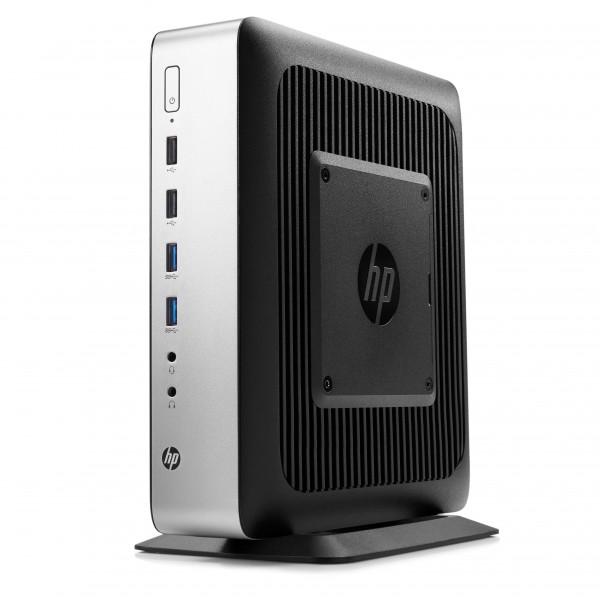
Objective I currently have a Pi as my home 'hub'. Running scripts and generally helping out. It's not powerful enough for the next step for me which is to run Plex (which is currently running on my NAS) and to be a VPN gateway for devices in my home. I've picked up a HP T5740 to handle this. I've upgraded the RAM to 4GB.
It has an Intel Atom 1.6ghz processor Why I need help The computer had 2gb of flash storage as it's 'hard drive' which I didn't consider enough for me. I did some googling and found using USB SD card reader was the cheapest, best solution for me at the moment.
The computer does have SATA connector, so my plan was to install on an SD card then eventually pick up a STATA - SD card connector to increase the speed. So I'm currently installing Linux on a16gb SDHC card. I've attempted to install Debian 9 two times now and both times have resulted in a 'successful installation'. Upon reboot, I just get the blinking cursor in the top right - which I understand to be an error. To install, I have downloaded the bootloader.img onto a USB stick and the ISO onto a second. During installation, the computer is attached to the network to download the further packages required. This all seems to work fine.
How To Install Flash On Firefox
Question time There are a few questions here - some specific to the issue above, others general questions that I have. Any answers to any of them would be hugely appreciated. Is Debian 9 the best version of Linux to install?. Is it wise to install onto an SD card?. What does the blinking cursor actually mean?
Is there any way to work out what is erroring?. Is there a better way to install Debian?
With Raspbian I flash the actual OS onto the SD card and just boot it up. Is there a way to do do this with Debian?. What makes Raspian specific to Raspberry Pis - is it to do with the processor & hardware? Thank you, thank you, thank you.
How To Install Flash On Android
For your Answers:-. I Think Debian 9 would be a very nice choice to install. As for the SD card installation I would never recommend anyone for installing an OS on a SD card (Even a SDHC card) but it has its own advantages. As for the blinking cursor, are you sure you install Debian on the right SD card and configured the bootloader to boot from it, and set the SD card in boot priority in BIOS.
You can make a live usb out of the SD card either by using or following the guide. Raspbian is not that specific to just Raspberry pi but it is configured and tweaked to run on low-end hardware and and support Raspi's booting procedures.(It is in reality a fork of Debian 8.).
How To Install Flash On Ubuntu
Writes ' has a line of thin clients, however, only one of these run Linux. But, being generic x86 hardware, you can install Linux on them. And it has been done,. The article has a complete walkthrough for the procedure, as well as some toughts on the topic. It can be added that the rdesktop client is quicker than Microsoft's own RDP client.
Also, with Linux it is easy to upgrade remotely, or even change to an entirely new protocol. Once one terminal is upgraded, the rest is done with dd and a USB stick!'